Technical, legal and financial support for Indigenous rights reform in Botswana.
Anthropos works with the Government of Botswana under a Memorandum of Understanding signed in October 2025, and with San organisations including the Khwedom Council and the G//ama Ngoo Association.
Two entities, one framework of accountability.
Anthropos works through two complementary organisations, one in the United Kingdom and one in Botswana. They share objectives, values, policies, leadership and approach.
Anthropos UK
Anthropos UK develops regional strategy in partnership with Anthropos Africa and secures the resources the work depends on. It:
- provides specialist technical, legal, policy and advisory services to the Government of Botswana under the MOU;
- leads fundraising and manages relationships with international donors, holding grants from UK, European and US funders.
Anthropos Africa
Anthropos Africa is the in-country operating entity. It:
- manages the CKGR Restitution and Conservation Programme and the partnership with the Khwedom Council;
- employs in-country staff and builds the district presence that implementation requires;
- develops and delivers Anthropos's two core programmes, LEAP and CBO Support;
- recruits and trains a growing cohort of Indigenous development professionals.
It is a technical organisation, not a San organisation. Its purpose is to support San organisations, and it is the vehicle through which leadership of the work passes to citizens of Botswana.
Anthropos Africa board
The board is small for now and will expand as the organisation grows. Its five members bring together the technical, legal, governance and community experience Anthropos Africa needs. Its Indigenous members were chosen for their skills and their responsiveness to community needs.
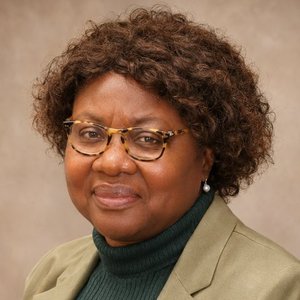
Naledi Stella Moroka
Permanent Secretary of Botswana's Ministry of Justice and Correctional Services, Ms Moroka chaired the Inter-Ministerial Committee on the Rights of San. A lawyer, she previously headed the Legislative Drafting Division of the Attorney General's Chambers.
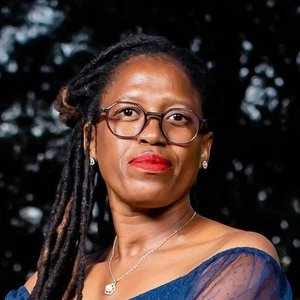
Tlhokomelang Ngaka
A River San conservation practitioner from Ngamiland, she founded and leads San Women Botswana. She has more than 15 years' experience with community organisations including Letloa Trust and the Trust for Okavango Cultural and Development Initiatives, and has represented San women at the Convention on Biological Diversity and IFAD's Indigenous Peoples' Forum.
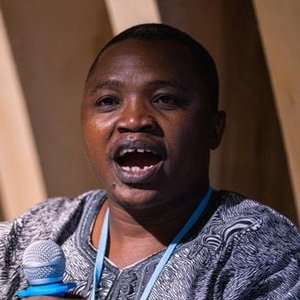
Gakemotho Satau
A Bugakhwe San conservation leader from the Okavango with more than 15 years' experience in community-based natural resource management and land rights. He works with Maliasili and holds an MPhil in Natural Resources Management from the University of Botswana's Okavango Research Institute.
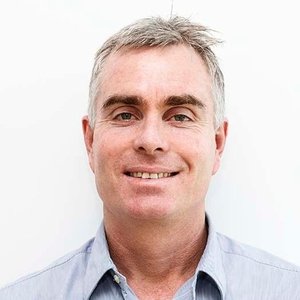
Dr Michael Taylor
A citizen of Botswana, he worked in three Government ministries and at UNDP before joining the International Land Coalition, whose global secretariat he directed from 2015. He holds a PhD in social anthropology from the University of Edinburgh and leads Anthropos's core programmes from Gaborone.
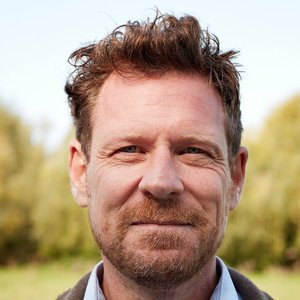
Dr James Suzman
An anthropologist who has worked with San communities in Botswana and Namibia for more than three decades. He edited the five-volume Regional Assessment of the Status of the San in Southern Africa and is the author of Affluence Without Abundance and Work: A History of How We Spend Our Time.
Anthropos UK trustees
Once registered, Anthropos UK will be governed by five trustees under Charity Commission rules, including safeguards on trustee benefit and conflicts of interest.
 Ben Begbie-Clench↗
Consultant on human rights and Indigenous peoples who has worked with San communities in Namibia, Botswana and Zimbabwe; board member of the Nyae Nyae Development Foundation of Namibia.
 Isobel Butler↗
Director of Protimos, the UK charity that provides lawyers and legal empowerment programmes to Indigenous and marginalised communities.
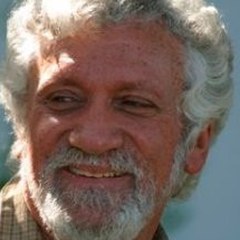 Robert Hitchcock↗
Anthropologist at the University of New Mexico who has worked with San communities across southern Africa since 1975; board member of the US-based Kalahari Peoples Fund since 1979.
Partners' Council
MOU partners and major funders oversee Anthropos's work through an advisory Partners' Council rather than through board seats. This gives donors and partners a clear accountability framework while keeping both boards independent and the voice of their Indigenous members undiluted. The Council meets annually, receives the annual report and audited accounts, reviews progress against plan, and holds a joint session with the Anthropos Africa board.
Accountability to communities
Free, prior and informed consent is the standard for all engagement. Anthropos reports back to each community in plain language and in its own language, and works with representative bodies whose members can be recalled by their communities. Under its MOUs, Anthropos acts under the direction of the organisations it supports and cannot commit them to anything without their written approval.